

Using simulation games in the classroom presents its fair share of challenges. However, the potential for these games to provide compelling and unique learning opportunities is undeniable, making the effort well worthwhile. I encourage readers to employ the guidelines in this series to unlock the full power of simulation games, and I urge teachers to actively participate in gameplay, approaching simulations thoughtfully, embracing calculated risks, immersing themselves in the controlled chaos, and guiding students towards a more meaningful and relevant exploration of historical events.
Government and US History courses aim to achieve important objectives such as fostering students’ analytical skills, enabling them to evaluate actions and decisions, establishing connections between classroom knowledge and real-world situations, and developing effective problem-solving abilities. Role-playing and simulations offer effective avenues to accomplish these goals, without the need for elaborate costumes or scripts.
My core principles for engaging students in simulation games are as follows:
- Student Engagement: Strive to involve as many students as possible, ensuring active participation and meaningful learning experiences.
- Clear Objectives: Define the purpose of the simulation and measure its effectiveness through tangible outcomes and student reflection.
- Duration: Adapt the length and intensity of the simulation to fit within the constraints of the short high school timeframe, maximizing the learning potential while considering time limitations.
- Roles: Minimize excessive responsibility and dependence on specific roles within the simulation, promoting a collaborative and inclusive learning environment.
By embracing these core principles, educators can create engaging and impactful experiences through simulation games, empowering students to analyze complex issues, make informed evaluations, and apply their knowledge to real-world contexts.
Important objectives of Government and US History courses include helping students analyze issues, evaluate actions and decisions, connect classroom knowledge to real-world situations, and develop problem-solving skills. Role-playing and simulations can be effective ways to achieve these goals. costumes or scripts.
Available Simulations
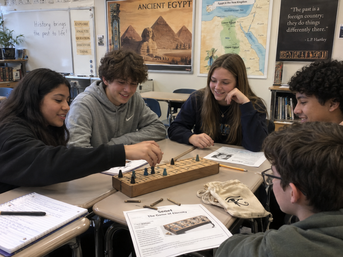
Bringing Ancient Egypt to Life: Playing Senet in the Classroom
 Jeff Swisher
 September 15, 2026
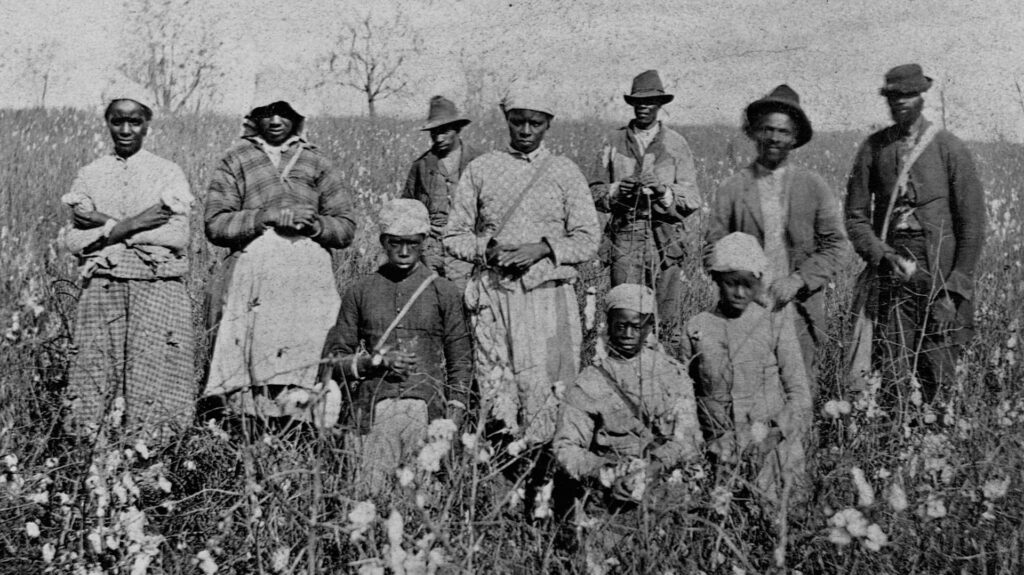
Sharecropping Simulation Activity: Understanding Post-Civil War Hardships
Jeff Swisher
March 12, 2024
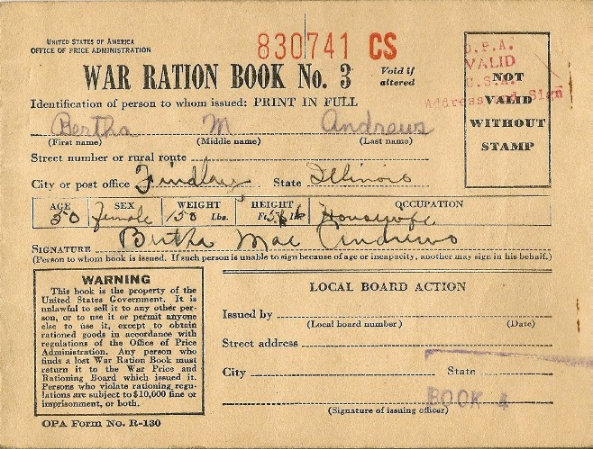
World War II Rationing Simulation
Jeff Swisher
February 26, 2023
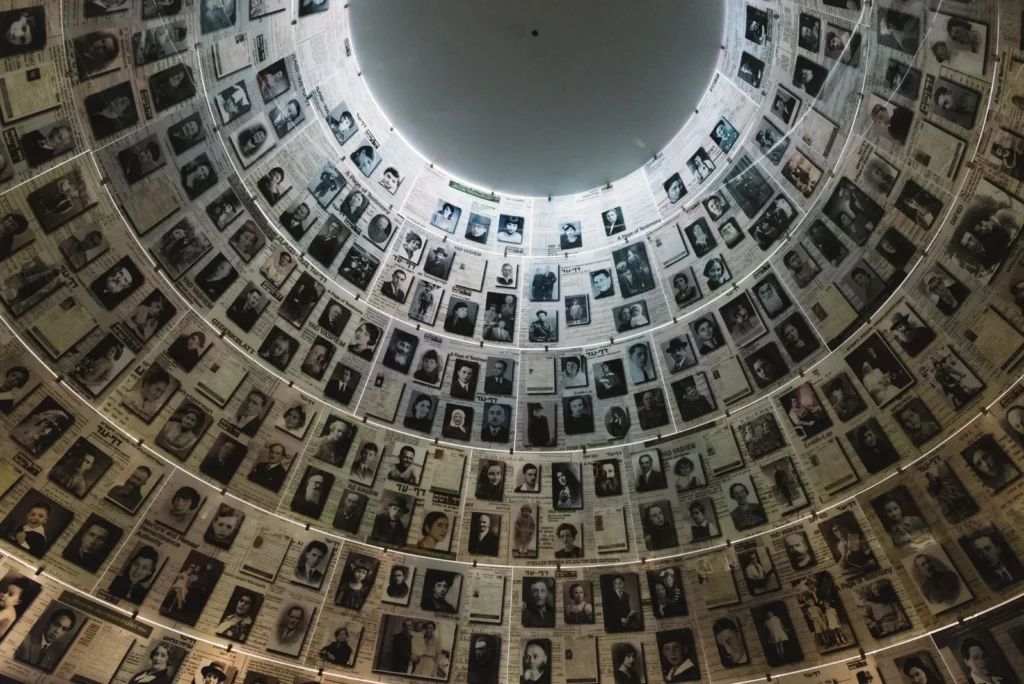
Holocaust Children Project
Jeff Swisher
January 25, 2022
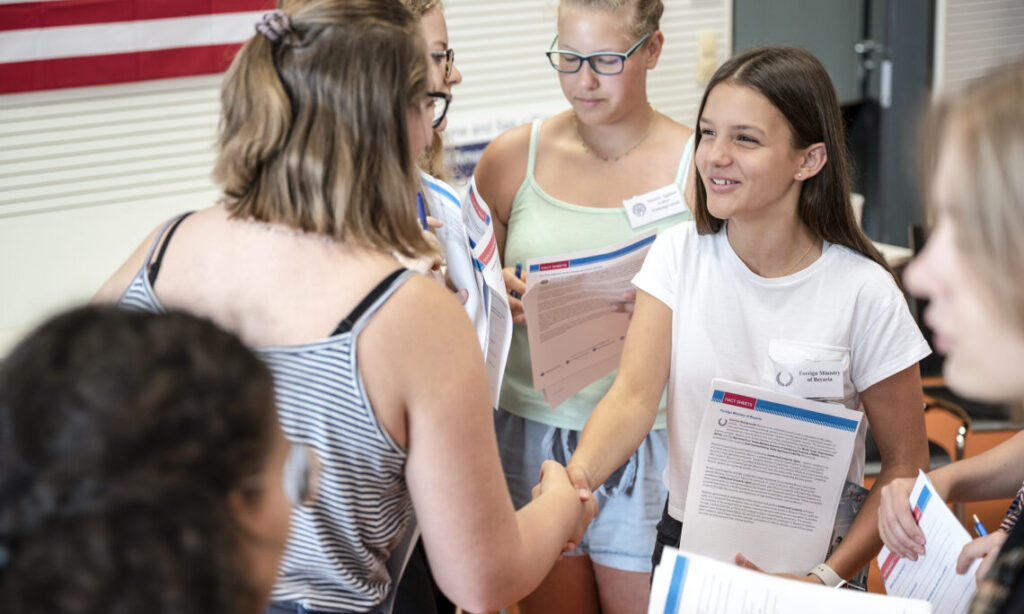
Diplomatic Simulations
Jeff Swisher
June 27, 2021

César E. Chávez Experience and Simulation
Jeff Swisher
March 31, 2021

Reacting to the Past Simulations
Jeff Swisher
April 10, 2020

Understanding Deliberation Through Simulation
Jeff Swisher
April 7, 2020

Government Type/Budget Simulation
Jeff Swisher
April 7, 2020
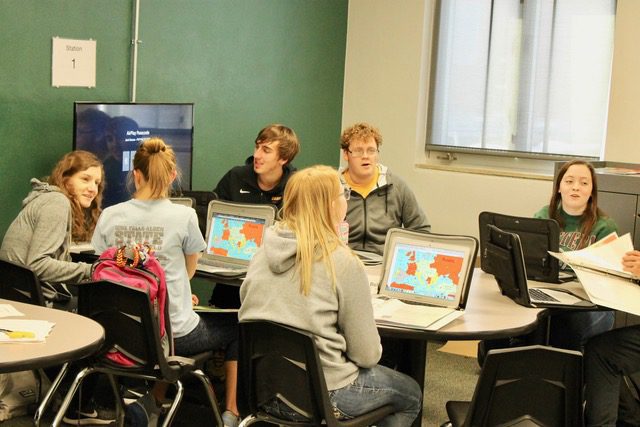
Simulations Waiting to be Evaluated
Jeff Swisher
April 7, 2020
The Red Scare Challenge: Uncover the Truth!
Jeff Swisher
March 29, 2020
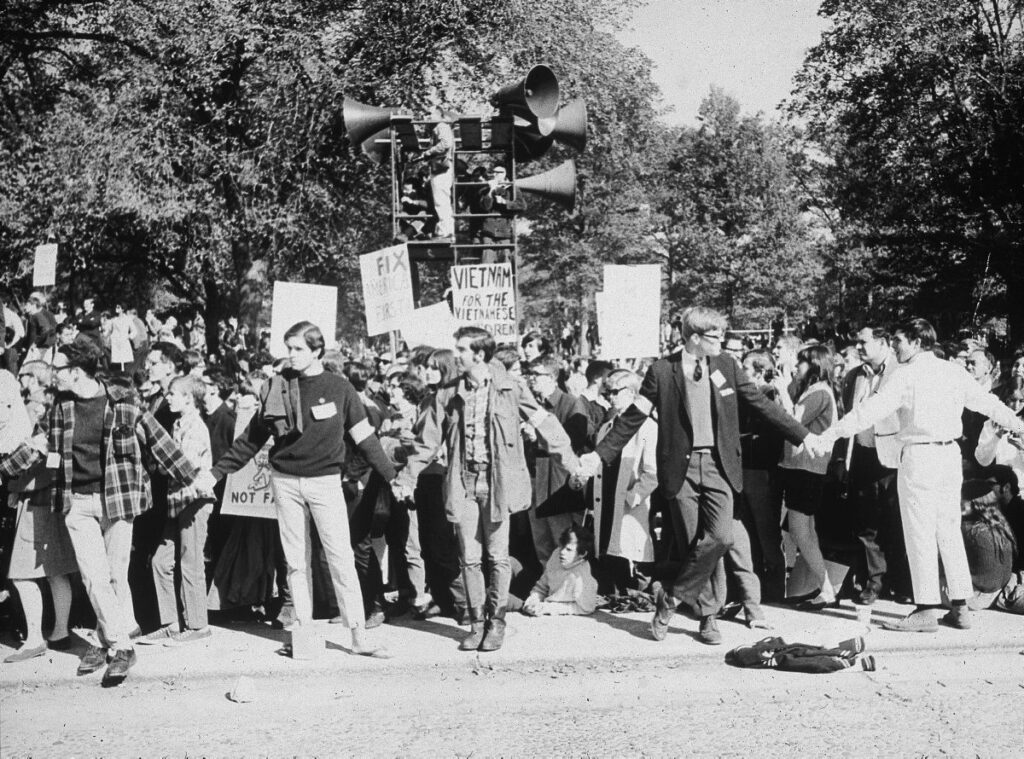
Vietnam Day Simulation (in Process)
Jeff Swisher
March 17, 2020
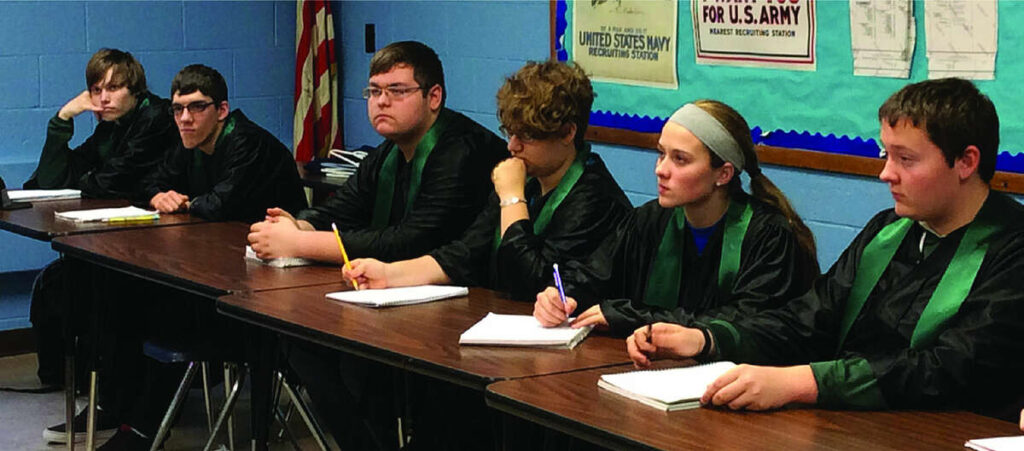
Moot Supreme Court Trial
Jeff Swisher
March 7, 2020

Speakeasy Simulation
Jeff Swisher
March 7, 2020
Simulation Presentations
- Great Lakes History Conference, Grand Valley State, Oct 13, 2018 (download)