
Sharecropping Simulation Activity: Understanding Post-Civil War Hardships
Introduction
Dive into a hands-on simulation that brings the challenges of sharecropping to life. This activity is designed to help students grasp the economic hardships and systemic inequalities that African American farmers and poor white farmers faced after the Civil War. Through immersive role-play, students will explore how this system shaped lives, perpetuated poverty, and influenced the social and economic landscape of the Reconstruction era. Whether you’re a teacher looking for an engaging classroom tool or a student eager to understand history beyond the textbook, this activity offers a powerful perspective on an often-overlooked chapter of American history.
What is Sharecropping?
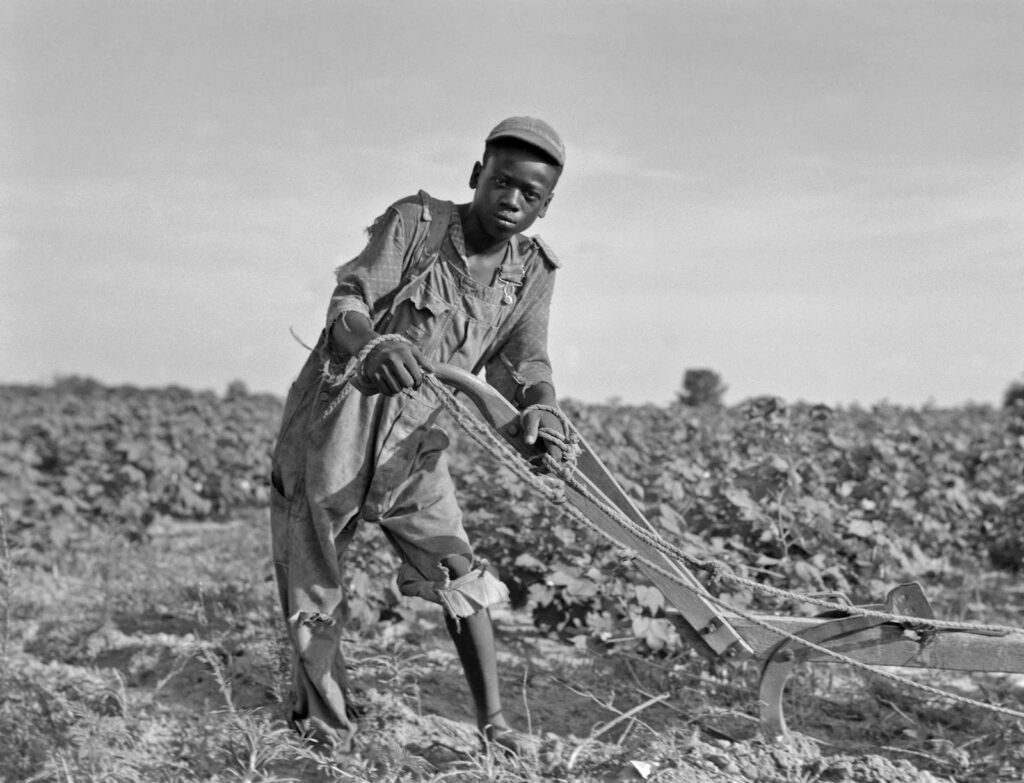
Sharecropping was a labor system that emerged in the Southern United States after the Civil War, during the Reconstruction era. It was a way for landowners to continue farming large areas of land without paying wages to workers. Under this system, tenant farmers—often freed African Americans and poor whites—would work a landowner’s fields in exchange for a share of the harvested crops.
While it provided a means for newly freed individuals to earn a livelihood, sharecropping often trapped workers in a cycle of poverty and debt. Landowners typically charged high rents and required tenants to buy supplies on credit, leading to perpetual indebtedness. Sharecropping became a system of economic exploitation that mirrored many of the inequalities of slavery, reinforcing racial and social hierarchies in the post-Civil War South.
This system not only shaped the lives of individuals but also influenced the region’s economy and social structure for decades. Understanding sharecropping provides key insights into the struggles and resilience of those who lived through this challenging period.
Goal of the Simulation
The primary goal of this simulation is to help students grasp the complexities and struggles of life as a sharecropper. Through interactive role-play and decision-making processes, participants will navigate the uncertainties of farming, fluctuating market prices, and the impact of random events on their livelihoods.
Simulation Instructions
- Roll the Dice: Participants will roll dice to determine the quality of their soil, which affects crop yield.
- Market Prices: Another dice roll will decide the market prices for crops, influencing income.
- Random Events: A third roll will introduce random events that can either benefit or challenge the sharecroppers, affecting their income and expenses.
Materials Included
- Profit and Loss Chart: To track the financial outcomes of each participant’s sharecropping venture.
- Quality of Soil Handout: Provides details on how soil quality affects crop production.
- Surprises Handout: Describes potential random events that can impact the sharecroppers’ success.
- Reflection Questions: Encourages discussion on the cycle of poverty associated with sharecropping and the comparison between the conditions of slavery and the illusory freedom post-Civil War.
Educational Objectives
By participating in this simulation, students will:
- Gain insights into the economic and social challenges faced by sharecroppers.
- Understand the factors influencing success or failure in sharecropping.
- Reflect on the broader implications of sharecropping on the cycle of poverty and the transition from slavery to freedom.
This lesson plan is an invaluable tool for educators seeking to enrich their students’ understanding of American history, specifically the Reconstruction era’s impact on society and the economy. Through this simulation, students will not only learn about historical facts but also empathize with the individuals who lived through these challenging times.