
Vietnam Day Simulation (in Process)
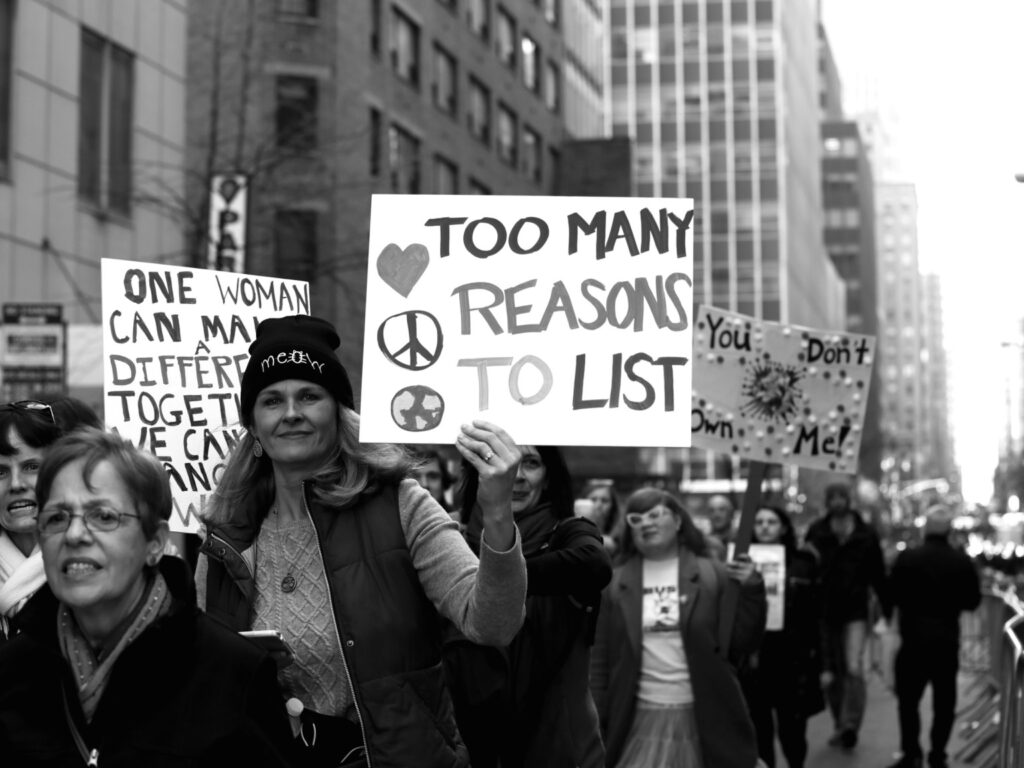
Transport yourself back to the year 1969, when the tumultuous war in Vietnam was in full swing. Picture this: you’ve just celebrated your 18th birthday, and consequently, are legally obligated to register for the military draft. And in a twist of events, this time, women are also required to enlist in the draft.
The nation is deeply fractured over the ongoing war. You’re well aware of the polarizing attitudes — one faction fervently advocating for the war, while the other passionately denounces it. Moreover, you realize that once you’ve registered for the draft, there’s roughly a one in three chance you could be selected for service. How does this potential reality sit with you?
The purpose of this exercise is to immerse you in the mindset, emotions, and processes that those affected by the Vietnam draft went through. Students will assume various roles representative of different demographics during the war era, including politicians, hippies, pro-war supporters, war veterans, and college students.

Preparation
- Export all of your students contact information to an excel spreadsheet. A sample of the spreadsheet is (here)
- Produce draft cards for all participants. It’s recommended to print them on a slightly heavier paper for authenticity.
- Acquire a tie-dye kit from Amazon, encouraging students to bring in their own shirts to decorate. You can find a suitable kit (here)
- Gather 1/2 inch by 20 inch strips, one for each student, to hold signs. (One per student)
- A paper grocery back (one per student)
- Staple Gun
- Reach out to the local VFW (Veterans of Foreign Wars) to inform them about the activity and to invite any willing veterans to participate.
Process
Planning
- Distribute the draft cards to the students, ensuring that each of them signs their card.
- Provide each student with a small piece of paper denoting their assigned role (i.e., politicians, hippies, pro-war advocates, veterans, or college students).
- Instruct students to research how their assigned demographic responded to the war. They should delve into how their group expressed their stance via music, protest, art, and other actions.
- Encourage students to identify relevant protest signs and chants, music, and fashion trends of their assigned group.
Event
This activity can take place during class or after school, depending on the students’ availability and interest. Both times have seen varying degrees of success in the past.
On the day of the event, the draft lottery numbers will be broadcast during the morning announcements. As the event progresses, students will either protest, burn their draft cards, or play music representative of their assigned role. Veterans will share their experiences, and we will strive to invite individuals who are willing to discuss their protests. This immersive event is designed to deepen understanding of the complexity of the Vietnam war era.
Resources
1942 Font (best old typewriter font)
Music
| Year | Song Title | Artist | Description |
|---|---|---|---|
| 1962 | “Blowin’ in the Wind” | Bob Dylan | This song became an anthem for the civil rights and anti-war movements, questioning when the violence and war will end. |
| 1965 | “Eve of Destruction” | Barry McGuire | McGuire’s song warns of the potential for self-destruction due to ongoing global conflicts, including the Vietnam War. |
| 1966 | “For What It’s Worth” | Buffalo Springfield | This song, often associated with the Vietnam War, is about the tension and conflict that was building within society. |
| 1967 | “I-Feel-Like-I’m-Fixin’-to-Die” | Country Joe McDonald | This satirical song offers a stark critique of the Vietnam War, expressing the despair felt by many. |
| 1967 | “Waist Deep in the Big Muddy” | Pete Seeger | While not explicitly about Vietnam, this song is a powerful allegory of the quagmire the U.S. found itself in. |
| 1969 | “Fortunate Son” | Creedence Clearwater Revival | This song protests the Vietnam War, highlighting the class disparities in those who got drafted versus those who didn’t. |
| 1970 | “War” | Edwin Starr | Starr’s hit song takes a direct and passionate stance against war in general, clearly stating “War, what is it good for? Absolutely nothing!” |
| 1970 | “What’s Going On” | Marvin Gaye | This soulful tune pleas for peace and understanding amidst the turmoil of war and civil unrest. |
| 1971 | “Imagine” | John Lennon | While not explicitly about Vietnam, Lennon’s song became an anthem for peace during this era of conflict. |
| 1971 | “Ohio” | Crosby, Stills, Nash & Young | This song is a direct reaction to the Kent State shootings, a pivotal event during the anti-Vietnam War movement. |
Chants
| Anti-War Chant/Slogan | Pro-War Sentiment |
|---|---|
| “Hell no, we won’t go!” | “Support our boys in Vietnam” |
| “Hey, hey, LBJ, how many kids did you kill today?” | “America, love it or leave it” |
| “Draft beer, not boys” | “Better dead than Red” |
| “Make love, not war” | “My country, right or wrong” |
| “1, 2, 3, 4, we don’t want your bloody war” | “Peace through strength” |
| “Bring the boys home” | “If you don’t like it here, move to Russia” |
| “War is not healthy for children and other living things” | “Freedom isn’t free” |
| “No more war” | “Stand up for America” |
| “Give peace a chance” | “Victory at all costs” |